

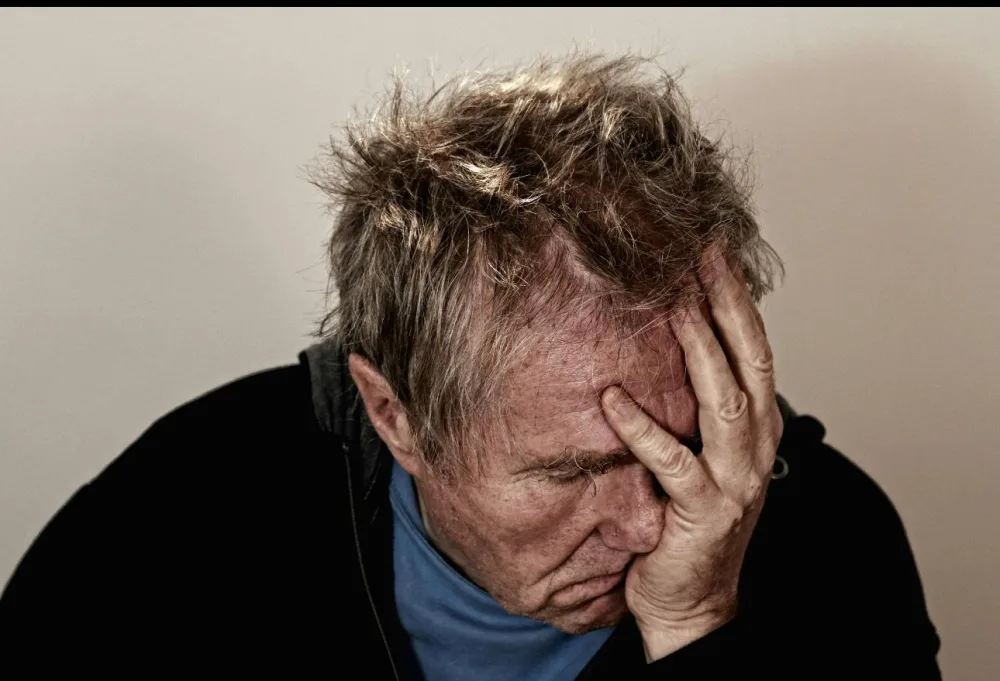
What is a panic attack, what are its symptoms and causes? Online counseling and coping methods with an expert psychologist for panic attack support.
Key Takeaways
- A panic attack is a state of intense anxiety that occurs when there is no real danger, manifesting with symptoms such as palpitations, shortness of breath, and fear of death.
- Intense stress, traumas, and excessive focus on bodily sensations are among the most important causes.
- With online psychological counseling support, panic attacks can be completely brought under control.
Panic Attack Symptoms: What Is Your Body Trying to Tell You?
Sudden palpitations, feeling like you can't breathe, feeling like you're going to lose control... If you are experiencing these, you are not alone. A panic attack is a condition that many more people than you think encounter at some point in their lives. In this article, we will discuss the symptoms of a panic attack, its causes, and what methods work for panic attack support.
What is a Panic Attack?
A panic attack is a sudden attack characterized by intense fear and physical symptoms that occurs when there is no real danger. When most people experience their first panic attack, they feel like "I am having a heart attack" or "I am dying." This makes the experience even more frightening. Another important point is that a panic attack is not harmful, but if not handled correctly, it can seriously affect the quality of life.
What Are the Symptoms of a Panic Attack?
Panic attack symptoms may vary from person to person, but the most common ones are:
- Heart palpitations and chest tightness
- Shortness of breath or feeling of choking
- Dizziness, lightheadedness
- Sweating, trembling
- Nausea
- Fear of losing control or fainting
- Feeling like "I am not real" (derealization)
These symptoms usually peak within 10–20 minutes and then subside. However, the fear it causes may lead the person to constantly wait for the next attack.
Why Does a Panic Attack Happen?
There is no single cause of a panic attack. Usually, several factors come together:
- Intense stress and repressed emotions
- Traumatic experiences
- Perfectionism and the need for control
- Long-term anxiety disorders
- Excessive focus on bodily sensations
Actually, a panic attack is the body's way of saying "we need to stop now."
Is Panic Attack Support Possible?
Yes, and quite effectively. Panic attack support is planned individually, and psychological counseling is one of the most effective methods. Today, many people prefer online counseling because it provides time and location flexibility. Especially in anxiety disorders, online psychologist support can be as effective as face-to-face counseling.
During the counseling process:
- Thoughts triggering the panic attack are noticed
- Ways to cope with physical symptoms are learned
- The fear of attacks gradually decreases
In some cases, medication support with the support of a psychiatrist can also be added to the process.
When Should You Get Support?
If panic attacks:
- Restrict your daily life
- Make you constantly live with the fear of "what if it happens again"
- Cause you to avoid social environments
Meeting with an online psychologist is one of the healthiest steps you can take. Remember, a panic attack is not your weakness. Asking for help is not weakness either.