

What is Anxiety Disorder? Symptoms, Causes, and Coping Methods
Anxiety disorder is an intense, difficult-to-control, and continuous state of worry, fear, and tension that affects a person's daily life. Anxiety disorder symptoms are not merely mental restlessness; they can also create physical and behavioral effects such as heart palpitations, sleep problems, distractibility, and avoidance behaviors. Anxiety disorder is a mental health condition that can be managed with correct evaluation and appropriate support. Receiving professional support, especially for individuals experiencing long-lasting intense anxiety, can significantly improve their quality of life.
Why Does Anxiety Disorder Occur?
The causes of anxiety disorder generally emerge from a combination of biological, psychological, and environmental factors. The systems regulating the stress response in the brain, the person's experiences, and genetic predisposition can affect the level of anxiety. Intense stress, traumatic experiences, and being under long-term pressure can increase the risk of developing an anxiety disorder.
Clinical studies show that anxiety disorders are quite common in society. According to the World Health Organization data, millions of people worldwide live with various anxiety issues. For reliable information about mental health, World Health Organization mental health research resources can be reviewed.
Effective Factors in the Development of Anxiety Disorder
There is no single cause in the formation of anxiety disorder. The person's past experiences, stress level, way of thinking, and living conditions should be evaluated together. Some people may experience more intense anxiety in the face of uncertainty, while others may cope with stressful events more easily.
Some factors that can increase the risk of anxiety disorder include:
- Presence of anxiety disorder or similar psychological issues in the family
- Long-lasting stress and intense responsibilities
- Traumatic events or challenging life changes
- Perfectionist mindset and a constant need for control
What Are the Symptoms of Anxiety Disorder?
Anxiety disorder symptoms can manifest in a person's thoughts, body, and behaviors. The most common symptoms include a constant state of worry, a feeling that something bad will happen, restlessness, and difficulty focusing. When the severity of symptoms increases, the person's work, school, and social life can be negatively affected.
A person experiencing anxiety may constantly think about negative scenarios regarding the future or experience intense indecision about daily choices. In some individuals, physical symptoms become more prominent, and this condition can be confused with health problems. The American Psychological Association's research on anxiety and stress emphasizes that anxiety can cause both mental and physical symptoms. American Psychological Association anxiety and stress research.
Physical and Emotional Symptoms of Anxiety Disorder
Anxiety disorder symptoms can vary from person to person. While some individuals feel intense fear, others may experience a constant need to think and control. Recognizing symptoms early facilitates the beginning of an appropriate support process.
- Heart palpitations, sweating, and muscle tension
- Difficulty falling asleep or waking up frequently
- Constantly thinking about worst-case scenarios
- Concentration difficulties and mental fatigue
How Are Types of Anxiety Disorder Differentiated?
Anxiety disorder can emerge in different forms, and each type has its own unique characteristics. While some individuals experience intense fear towards specific situations, others may be in a general state of worry. Accurate identification is important for determining the support method suitable for the person's needs.
Common types of anxiety include generalized anxiety disorder, panic disorder, social phobia, and specific phobias. Individuals experiencing a panic attack may exhibit intense fear that begins suddenly, shortness of breath, and a feeling of loss of control. In individuals who experience an intense fear of being evaluated in social settings, social phobia symptoms may become prominent.
Generalized Anxiety Disorder and Its Effects on Daily Life
Generalized anxiety disorder is characterized by a person experiencing constant worries about many topics that they struggle to control. Even if the person knows their anxiety is excessive, they may find it difficult to stop their thoughts most of the time. Over time, this condition can cause fatigue, attention problems, and a decrease in the joy derived from life.
For example, constantly thinking negatively about work performance, health, relationships, or future plans can reduce daily energy. An overthinking tendency can be seen alongside an anxiety disorder, and this situation can cause the person to feel constantly mentally occupied.
How is Anxiety Disorder Therapy Conducted?
Therapy for anxiety disorder is planned according to the level of symptoms the person is experiencing, their living conditions, and their needs. The primary goal in anxiety disorder therapy is not for the person to eliminate anxiety entirely, but to learn to manage anxiety thoughts and continue their daily life in a healthier way.
Psychotherapy is one of the most frequently used and effective methods for coping with symptoms of anxiety. Cognitive behavioral therapy, in particular, can help a person notice the thought patterns causing anxiety and develop more realistic perspectives.
In some cases, following an expert evaluation (or through an anxiety disorder test and inventories), the therapy plan is shaped. It is important that the therapy process is personalized because every individual's sources of anxiety can be different.
Adult individual psychotherapy, online therapy, and different therapeutic approaches can be evaluated according to the person's needs. For those seeking a psychologist in Eskisehir, face-to-face sessions can be planned, while online anxiety therapy is highly effective for individuals living in other cities or countries. Especially in long-lasting anxiety issues, getting professional support ensures the process progresses more healthily.
Suggestions for Daily Life for Anxiety Disorder
Some habits that can be applied in daily life to cope with anxiety disorder can support the therapy process. Regular sleep, physical movement, breathing exercises, and the ability to notice thoughts can help balance the anxiety level.
Small but regular changes can increase a person's resilience against stress.
- Establishing a regular sleep schedule and keeping sleep times as consistent as possible
- Practicing breathing exercises and relaxation techniques
- Limiting caffeine consumption
- Increasing physical activities during the day, such as walking
Anxiety management is strengthened not by a single method, but by addressing the person's lifestyle, way of thinking, and support resources together.
When Does Anxiety Disorder Require Support?
Anxiety disorder may require professional support when it starts to make it difficult for the person to fulfill their daily responsibilities. A constant state of worry, avoiding social environments, sleep problems, or intense physical symptoms can lower a person's quality of life.
Feeling that anxiety is out of the person's control is one of the important indicators of the time to get support.
A person constantly thinking about worst-case scenarios regarding the future, struggling to make decisions, or narrowing their living spaces due to anxiety may require a professional evaluation. Psychological tests and expert interviews can help better understand the symptoms the person is experiencing.
The earlier anxiety symptoms are noticed, the easier the coping process can become with appropriate support methods.
Frequently Asked Questions About Anxiety Disorder
1-Does anxiety disorder completely go away?
Anxiety disorder can be largely managed with appropriate support and correct approaches. The person understanding their sources of anxiety, changing their thought patterns, and developing healthy coping methods support the recovery process.
2-How long do anxiety disorder symptoms last?
The duration of anxiety disorder symptoms varies from person to person. While they may appear during periods of intense stress for some people, they can become a long-lasting condition for others.
3-Can anxiety disorder be managed without using medication?
In some individuals, psychotherapy, lifestyle adjustments, and stress management practices can be effective. However, the therapy method should be determined by evaluating the person's symptoms and needs.
4-What is the difference between an anxiety disorder and a panic attack?
An anxiety disorder generally presents with constant worry, uncontrollable thoughts, and long-term tension. A panic attack, on the other hand, usually emerges with intense fear that starts suddenly, heart palpitations, shortness of breath, and a feeling of loss of control.
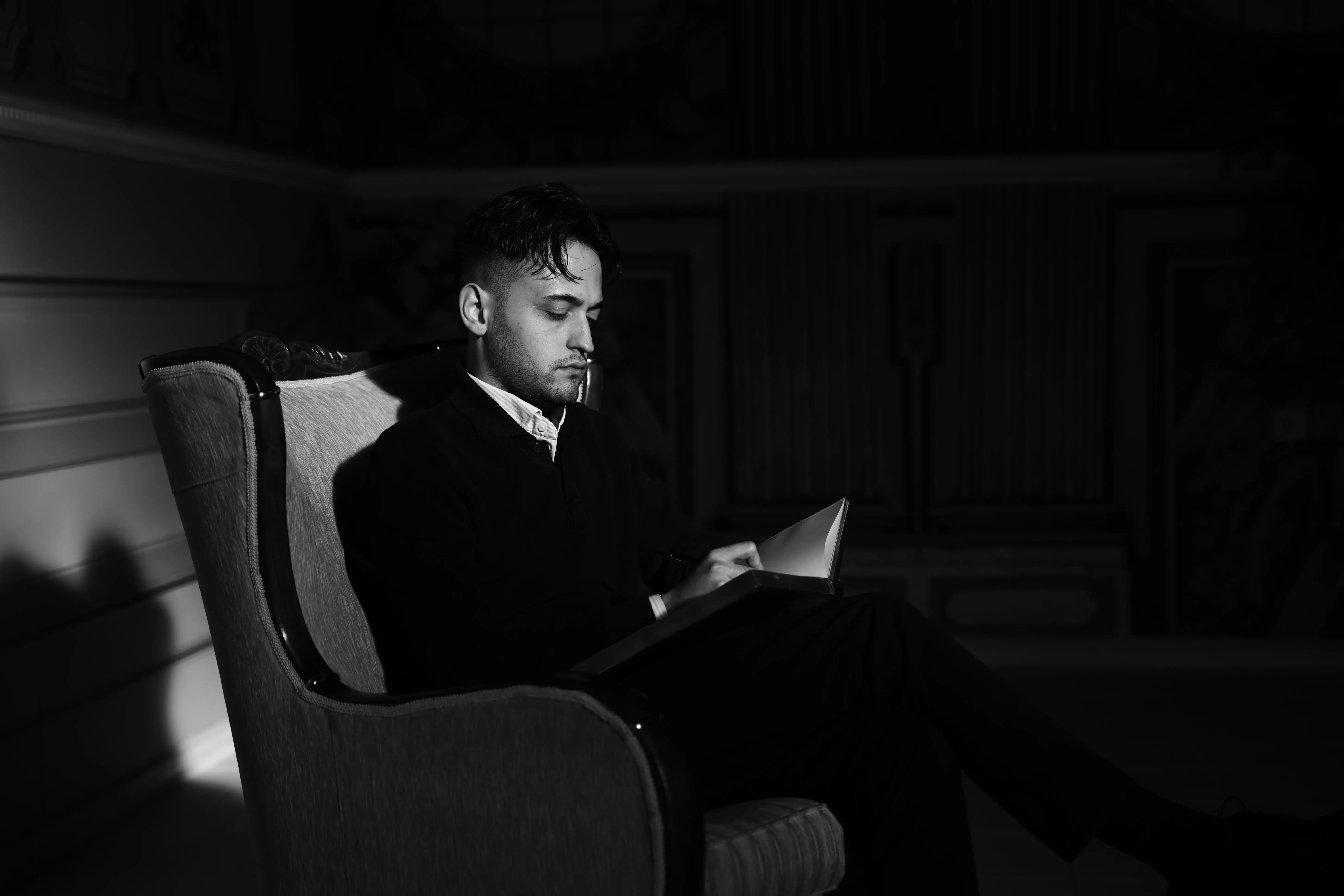
Psychologist Ethem Tozbay
Graduated from Mersin University, Ethem Tozbay specializes in Cognitive Behavioral Therapy (CBT), providing online psychological support for anxiety disorders, depression, and relationship problems. As an active member of the Turkish Psychological Association, he integrates evidence-based approaches with a deep empathetic understanding.