
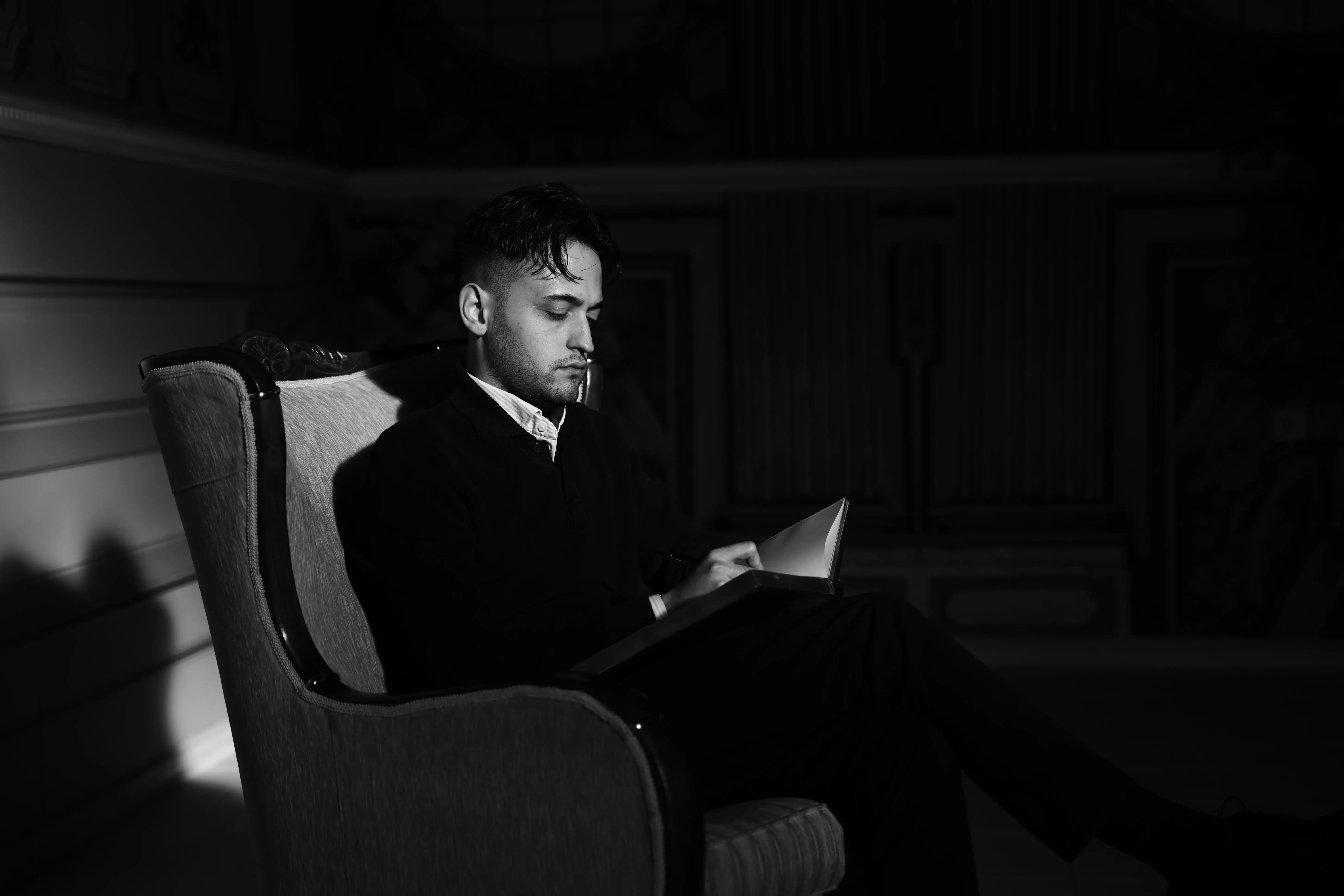

Sudden fear, palpitations, and shortness of breath in sleep... Why do nocturnal panic attacks occur, what are the differences from nightmares, how are they managed?
Key Takeaways
- A nocturnal panic attack is the activation of the body's alarm system despite there being no real danger during sleep, creating sudden fear, palpitations, and shortness of breath.
- Stress suppressed during the day, irregular sleep, anxiety disorders, and past traumas can trigger these attacks by activating the threat perception mechanism in the brain.
- Although the attacks are uncomfortable, they are not dangerous; establishing a sleep routine, learning stress management techniques, and getting psychological support when necessary significantly reduce the frequency of attacks.
Symptoms of Nocturnal Panic Attacks
Nocturnal panic attack symptoms are physical and psychological reactions that cause a person to wake up from sleep with sudden fear, palpitations, shortness of breath, and intense feelings of anxiety. When many people experience this situation for the first time, they may think they are having a heart attack or completely losing their breath. However, nocturnal panic attacks occur as a result of the body's alarm system being activated without a real danger. When nocturnal panic attack symptoms are noticed early, it becomes much easier to manage the attacks and protect the quality of life. Especially for those seeking an Eskisehir psychological counseling specialist, online psychological counseling therapy provides a great advantage, and with the support of the best psychologist in Eskisehir, lasting steps can be taken regarding psychological counseling symptoms and treatment.
What Are the Symptoms of Nocturnal Panic Attacks?
Nocturnal panic attack symptoms usually arise while the person is in deep sleep and intensify within a few minutes. During the attack, the person may feel as if they are experiencing a serious health problem. The most important point: Although these symptoms are quite uncomfortable, they are usually not a life-threatening situation.
- Sudden and intense feeling of fear
- Heart palpitations
- Shortness of breath
- Sweating and trembling
- Dizziness or feeling lightheaded
Why Do Nocturnal Panic Attacks Occur?
There is no single cause of nocturnal panic attacks. Genetic predisposition, intense stress, a high level of anxiety, and irregular sleep habits can trigger this situation. Research shows that nocturnal panic attacks are also seen in a significant portion of individuals experiencing panic disorder.
Nocturnal Panic Attacks Due to Stress and Anxiety
Stress and emotional burdens suppressed during the day can become more pronounced at night. Especially an intense work pace, relationship problems, or uncertainties can cause the nervous system to work more sensitively. Getting supportive information on Anxiety Disorder and Stress can make it easier to understand the symptoms.
The Relationship Between Panic Disorder and Nocturnal Panic Attacks
The risk of nocturnal panic attacks is higher in people diagnosed with panic disorder. Since the brain's threat perception mechanism can remain active during sleep, the person can wake up with fear without any reason. Therefore, Panic Attack and Anxiety processes often progress connected to each other.
Sleep Routine and Nocturnal Panic Attack Symptoms
Irregular sleep hours, excessive caffeine consumption, and chronic insomnia can increase nocturnal panic attack symptoms. Quality sleep plays an important role in balancing the nervous system. It has been shown in various clinical studies that the anxiety level rises in people experiencing insomnia.
What is the Difference Between a Nocturnal Panic Attack and a Nightmare?
Nocturnal panic attacks and nightmares are frequently confused, but there are significant differences between the two conditions. While the person usually has a scary dream in a nightmare, mostly no dream is remembered in a nocturnal panic attack. In a nocturnal panic attack, physical symptoms are felt much more intensely.
- There is clear dream content in a nightmare.
- Intense physical symptoms are at the forefront in a panic attack.
- Calming down after a nightmare can be faster.
- The fear of death or the feeling of loss of control is frequently seen in a panic attack.
What Happens in the Body During a Nocturnal Panic Attack?
During a panic attack, the body reacts as if there is a real threat. While the rise in adrenaline level accelerates the heartbeat, breathing can also change. This situation causes the person to perceive the symptoms they experience more intensely.
Nocturnal Shortness of Breath and Feeling of Palpitations
Many people wake up suddenly at night thinking they cannot breathe. When heart palpitations accompany this picture, the situation can become scarier. However, in examinations, a serious physical illness is usually not found.
Nocturnal Sweating and Trembling Symptoms
Excessive stimulation of the nervous system can lead to symptoms such as sweating and trembling. These symptoms can decrease in a short time and allow the person to return to normal. Knowing that the symptoms are temporary helps prevent anxiety from increasing.
How to Get Over a Nocturnal Panic Attack?
Instead of trying to completely stop the symptoms experienced during a nocturnal panic attack, recognizing and accepting them can be more effective. Knowing that the symptoms are temporary reduces the fear cycle. In summary: A panic attack is not dangerous, but when not managed correctly, it can reduce the quality of life.
- Try to slow down your breathing.
- Focus on the environment you are in.
- Remember that the palpitations will decrease over time.
- Take care to maintain your sleep routine.
Which Symptoms Require Professional Support?
If nocturnal panic attack symptoms become frequent, affect daily life, or seriously impair sleep quality, getting expert support can be beneficial. According to World Health Organization data, anxiety disorders affect millions of people worldwide. Therefore, if the symptoms continue for a long time, professional evaluation is important.
Research shows that early intervention is effective in preventing symptoms from becoming chronic. Evaluations related to areas such as Adult Individual Psychological therapy, Online therapy, and Post-Traumatic Stress Disorder can also be beneficial.
What Can Be Done to Prevent Nocturnal Panic Attacks?
It may not always be possible to completely eliminate nocturnal panic attacks, but it is possible to reduce the risk factors. Daily habits help the nervous system work more balanced. Especially regular sleep and stress management can provide a protective effect.
- Sleep and wake up at the same times every day.
- Limit caffeine consumption in the evening hours.
- Do regular physical activity.
- Add relaxation and breathing exercises to your daily routine.
Research shows that Cognitive Behavioral Therapy applications are effective in reducing panic symptoms. In addition, it should not be forgotten that topics such as Self-Confidence, Social Phobia, Emotional Burnout, Overthinking, and Attachment Styles can also have an effect on the anxiety level.
Frequently Asked Questions
1- How many minutes does a nocturnal panic attack take?
Most nocturnal panic attacks are felt intensely between 5 and 20 minutes. The effects can last longer in some people, but the symptoms generally decrease over time.
2- Do nocturnal panic attacks cause a heart attack?
Panic attack symptoms can resemble a heart attack, but it has not been shown to directly cause a heart attack. It is important to get a medical evaluation for intense symptoms experienced for the first time.
3- Is it normal to have a panic attack while sleeping?
It is a widely accepted situation to see nocturnal panic attacks in individuals with panic disorder. This situation can occur without the person consciously thinking of fear.
4- Do nocturnal panic attacks completely go away?
With the right support, lifestyle adjustments, and psychological therapy support, the symptoms can largely be brought under control. Many people experience a significant decrease in attack frequency over time.