

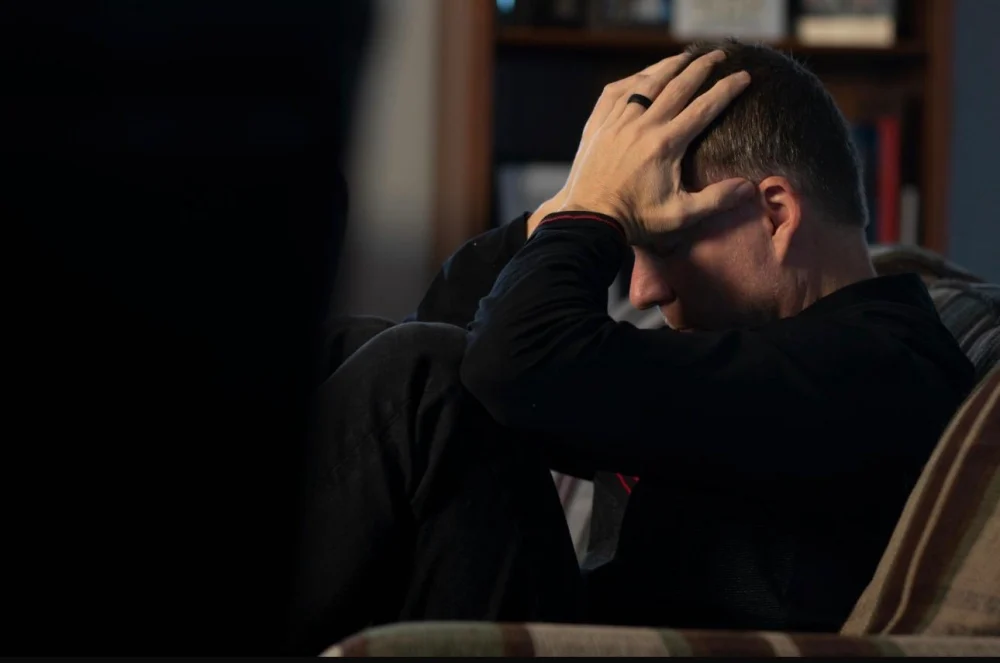
What is a panic attack, what are its physical and psychological symptoms? Things to do during a panic attack and coping methods.
Key Takeaways
- A panic attack is the body giving an excessive "fight or flight" response despite there being no real danger, and it is absolutely not physically dangerous or permanently harmful.
- Intense stress, genetic factors, and misinterpretation of bodily sensations (catastrophizing) are the most common triggers.
- Taking controlled breaths and reframing thoughts ("My body is safe", "This is temporary") during an attack are highly effective in calming down.
What is a Panic Attack? Symptoms and Coping Methods
The intensity of daily life, stress, and uncertainty can lead to sudden outbursts of anxiety in many people. This situation sometimes manifests as a few minutes of intense fear and physical symptoms. This is called a panic attack. People experiencing a panic attack often think they are having a heart attack or losing control. However, it is possible to cope with a panic attack with correct information and appropriate methods. In this article, we will discuss what a panic attack is, panic attack symptoms, causes, and effective coping methods in a reliable and understandable way.
What is a Panic Attack?
A panic attack is a strong attack of fear or worry that appears suddenly and usually intensifies within a few minutes. Most of the time, even if there is no real danger, the person can feel as if they are under a serious threat.
During a panic attack, the body actually gives a "fight or flight" response. This response normally helps us survive in moments of danger. However, in people experiencing anxiety or anxiety disorder, this system can be triggered unnecessarily.
While attacks are rarely seen in some people, they can recur in others. Recurrent and intense panic attacks can eventually lead to the development of panic disorder.
What Are the Symptoms of a Panic Attack?
Physical Symptoms
Panic attack symptoms are mostly felt physically, and this situation can frighten the person even more. The most common symptoms are:
- Heart palpitations or rapid heartbeat
- Shortness of breath or feeling of choking
- Sweating and trembling
- Chest pain or feeling of pressure
- Dizziness or feeling like fainting
- Nausea
- Numbness in the hands and feet
These symptoms usually peak within 5–20 minutes and then gradually subside.
Psychological Symptoms
A panic attack is not limited to physical symptoms alone. Intense mental and emotional reactions also emerge at the same time:
- Fear of losing control
- Fear of death
- Feeling disconnected from reality
- Feeling alienated from oneself
Because this experience is felt quite really and intensely, the person may start to fear experiencing the next attack.
Causes of Panic Attacks
The causes of panic attacks can vary from person to person. Instead of a single cause, it usually involves a combination of multiple factors.
- Stress and Life Events: Intense work pace, economic anxieties, relationship problems, or traumatic events can increase the risk of a panic attack. Long-term stress can keep the body's alarm system constantly active.
- Genetic and Biological Factors: People with a family history of anxiety or anxiety disorder may be more likely to experience panic attacks. Some chemical imbalances in the brain can also affect this condition.
- Thought Patterns: Catastrophizing, constantly thinking of worst-case scenarios, or misinterpreting bodily sensations can trigger a panic attack. Therefore, psychological processes are also quite important.
4. What Should Be Done During a Panic Attack?
Many people wonder about the answer to the question of what to do during a panic attack. Some methods that can be applied at the time of the attack can help the symptoms calm down faster.
5. Focusing on the Breath
Breathing slowly and controlledly calms the body. A simple breathing exercise can be applied as follows:
- Breathe slowly through your nose
- Hold your breath for 3–4 seconds
- Exhale slowly through your mouth
This technique can help regulate the heartbeat.
6. Reframing Thoughts
During an attack, it can be useful to remind yourself of the following sentences:
- "This is a panic attack, it's temporary."
- "My body is safe."
- "I will calm down shortly."
This approach helps to reduce the mind's perception of threat.
7. Relaxing the Body
Relaxing the muscles and dropping the shoulders can also be effective. Simple relaxation techniques slow down the body's alarm system.
How Does a Panic Attack Pass?
Many people look for a permanent solution to the question of how a panic attack passes. A panic attack is a completely manageable condition and can significantly decrease with the right approach.
Stress Management
Developing stress management habits in daily life is quite important. Regular sleep, physical activity, and healthy nutrition can increase mental resilience. Meditation, walking, or breathing exercises also help balance the nervous system.
Psychological Support and Counseling
Getting psychological support for recurrent panic attacks is a highly effective step. Cognitive Behavioral Therapy, in particular, is one of the most used methods in the support of panic attacks.
This counseling method allows the person to:
- Notice the thought patterns that create anxiety
- Interpret bodily sensations correctly
- Develop skills to cope with attacks.
When necessary, an expert may recommend different support options in addition to the counseling process.
Frequently Asked Questions
How long does a panic attack last?
A panic attack is usually felt intensely between 5 and 20 minutes. However, in some people, it can take up to 30 minutes for symptoms to completely subside.
Is a panic attack dangerous?
Although a panic attack feels very scary, it is not physically dangerous. It does not cause a heart attack or permanent damage. However, if it happens frequently, it is important to get expert support.
Does a panic attack go away on its own?
Yes, a panic attack most often ends on its own. However, recurrent attacks can affect a person's quality of life. Therefore, getting support in the early stages is beneficial.
Does a panic attack heal completely?
With the right methods and professional support, panic attacks can be largely brought under control. Especially Cognitive Behavioral Therapy and regular stress management techniques provide permanent recovery in many people.
How should someone experiencing a panic attack be supported?
It is important to approach a person experiencing a panic attack in a calm and reassuring way. Supportive sentences like "It will pass, I am with you" can help the person feel safer. Furthermore, they should be encouraged to get professional psychological support.