

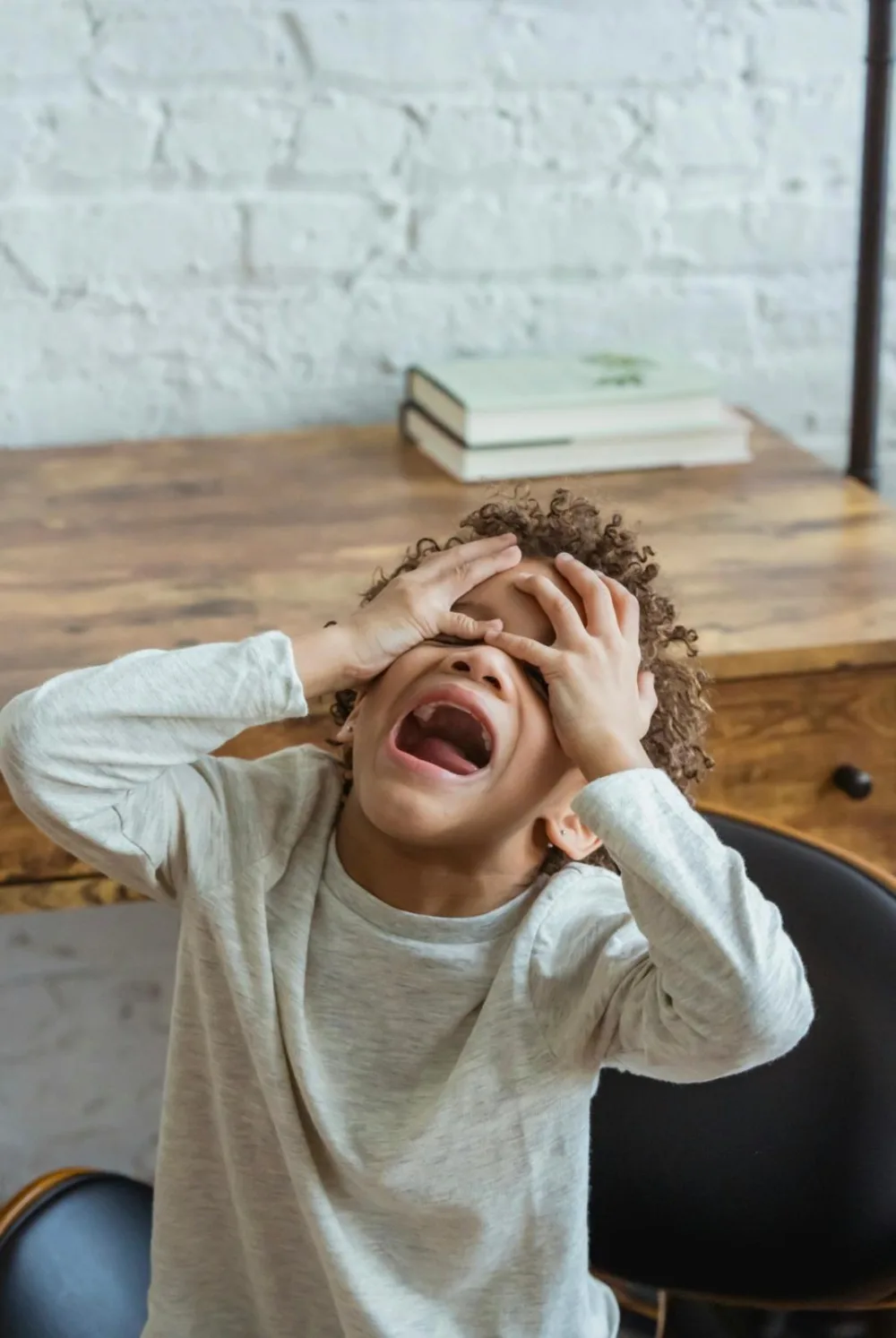
Why do tantrums in children occur and how are they managed? The 2-4 age crisis, correct parenting attitudes, and ways to prevent crises.
Key Takeaways
- Tantrums, commonly seen in children between 2-4 years old, are a natural part of development and an expression of emotions the child cannot articulate.
- Fatigue, hunger, inability to express emotions, and testing limits are among the main causes of tantrums.
- Parents need to stay calm during the crisis, use short and clear sentences, and provide physical safety and emotional guidance to the child.
How to Manage Tantrums in Children?
Children's tantrums can turn into challenging and sometimes helplessly felt moments for many parents. A child lying on the floor in the middle of a grocery store or a little one going into a crying fit when a small request is denied... These situations are actually a natural part of development. The important thing is that parents can manage this process correctly. Correct approaches both support the child's emotional development and strengthen communication within the family. Especially for those seeking an Eskisehir psychological counseling specialist, online psychological counseling therapy provides a great advantage, and with the support of the best psychologist in Eskisehir, lasting steps can be taken regarding psychological counseling symptoms and treatment.
In this article, we will discuss topics such as why tantrums occur in children, how parents should react, and what methods work in crisis moments.
What is a Tantrum in Children?
A tantrum is a behavioral reaction that usually occurs when young children cannot control their intense emotions. Behaviors such as shouting, crying, lying on the floor, throwing things, or throwing oneself on the ground can be seen.
It is more common, especially between the ages of 2 and 4. The main reason for this is that children's language skills to express their feelings are not yet fully developed.
Most Common Symptoms
- Loud crying and shouting
- Throwing oneself on the ground
- Throwing toys or items
- Overreacting when their demands are not met
- Resisting physically
Although these behaviors often worry parents, they are mostly a natural part of the developmental process.
Causes of Tantrums in Children
Behind tantrums, there is usually an unmet need of the child or an emotion they cannot manage.
1. Inability to Express Emotions
Young children have difficulty expressing the disappointment, anger, or sadness they feel with words. Therefore, they express their emotions through behaviors.
2. Fatigue and Hunger
Insomnia or hunger seriously lowers the tolerance level in children. This situation can cause even a small event to turn into a huge tantrum.
3. Testing the Limits
Children try to understand the limits during the growth process. Testing the rules set by parents is a natural part of development.
4. Desire to Get Attention
Some children may also experience tantrums to get attention. This behavior may increase, especially when parents are busy.
How Should Parents Behave During a Tantrum?
The reaction given during a tantrum directly affects the child's future behaviors. Therefore, it is very important for parents to be calm and consistent.
- Stay Calm: The parent getting angry while the child is shouting makes the situation even bigger. Taking a deep breath and staying calm is the first step to controlling the crisis moment.
- Use Clear and Short Sentences: Instead of making long explanations, short and clear sentences should be preferred. For example: "We can't buy the toy right now.", "I understand you're shouting, but you can't hit."
- Ensure Physical Safety: If the child carries a risk of harming themselves or their surroundings, an intervention must be made gently but firmly.
- Wait Until the Tantrum Passes: When the child is experiencing intense emotions, they have difficulty understanding logical explanations. Therefore, making long speeches before the crisis has completely passed usually does not work.
Effective Methods to Prevent Tantrums
Although it is not possible to completely eliminate tantrums, some methods can significantly reduce their frequency.
1. Create a Routine
Children feel safer in a predictable routine. Having specific times for sleep, food, and play can reduce crises.
2. Give Them the Right to Choose
Offering small choices to children increases their sense of control. For example: "Do you want to wear the blue t-shirt or the red one?"
3. Name the Emotions
It is important to help the child understand their feelings. "You look angry right now.", "You might be sad because what you wanted didn't happen." This approach develops emotional awareness.
4. Praise Positive Behavior
When the child stays calm or expresses their emotion correctly, noticing and appreciating this ensures the reinforcement of the behavior.
When Should Expert Support Be Sought?
Most tantrums are a natural part of development. However, in some cases, getting expert support can be beneficial.
If the following situations exist, it may be a good idea to consult a child psychologist:
- If tantrums are experienced very frequently and intensely
- If the child is harming themselves
- If the tantrums continue for a long time
- If they cause serious problems in social environments
Getting early support can facilitate the process for both the child and the parent.
Frequently Asked Questions
At what ages are tantrums more common?
It is generally more common between the ages of 2 and 4. This period is a process where children's emotional development is rapid.
Is it right to ignore the child during a tantrum?
It is not right to completely ignore them in every situation. Making sure the child is safe and being with them calmly is a healthier approach.
Does punishing reduce tantrums?
Harsh punishments usually do not solve the problem, they can even increase it. A more effective method is setting limits and helping to understand emotions.
Do tantrums go away completely?
As children learn to express their feelings, tantrums decrease over time. A client and consistent parental approach makes this process much easier.