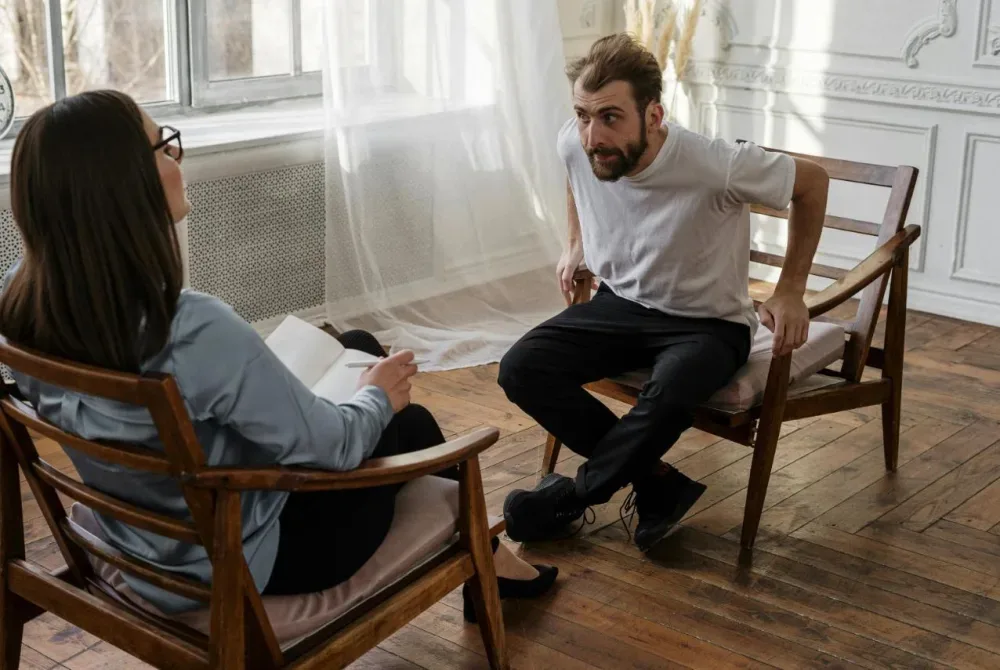
What psychological therapy is and what it helps with: types of therapy, what happens in the first session, how long it lasts and whether online therapy works.
Key Takeaways
- Psychological therapy is a professional form of support that aims to improve mental health, from everyday stress and relationship problems to deep emotional burdens.
- It is not only for people with serious psychological conditions; anyone who wants to become more self-aware, learn to manage stress and live a better life can benefit from psychotherapy.
- Therapist-guided online therapy has been shown to achieve results similar to face-to-face therapy, especially for anxiety and depression, while also saving time and offering comfort.
What Is Psychological Therapy? What Are Its Benefits?
The pressures of daily life, relationship problems, intense stress and endless thoughts can wear down mental health over time. Psychological therapy is an evidence-based form of support that helps a person manage their emotions, thoughts and behaviour in a healthier way. For people dealing with anxiety, depression, trauma, low self-esteem or relationship problems in particular, psychological therapy builds awareness and improves quality of life. The shortest answer to the question "What is psychological therapy?" is that it is a professional form of psychological support that helps a person make sense of their mental burdens in a safe setting.
What Is Psychological Therapy and What Does It Do?
Psychological therapy is a professional process that helps a person understand their emotions, thoughts and behaviour. It also aims to develop skills in stress management, emotion regulation and healthy communication. Getting psychological therapy is an important step not only for people with serious psychological conditions but for anyone who wants to improve their quality of life.
According to the World Health Organization, nearly 1 in 7 people worldwide were living with a mental disorder in 2023. Research shows that regular therapy can reduce symptoms of anxiety disorder and depression. For this reason, psychological therapy helps not only to ease symptoms but also to understand the root causes of the problem.
The cycles of thought seen in people with anxiety can affect their social life over time. Therapy work on anxiety disorder, anxiety and overthinking can help ease this mental load.
Which Problems Can Psychological Therapy Help With?
Psychological therapy can be effective for many emotional problems that make daily life harder. Long-suppressed stress, relationship problems and traumatic experiences in particular can drain a person's energy. Clinical studies show that people who receive therapy develop stronger emotion regulation skills.
Psychological Therapy for Anxiety and Worry
People with intense anxiety often act as if something bad is about to happen. In psychological therapy, these thought patterns are examined and the person is helped to think in a more balanced way. Therapy can improve quality of life, particularly for people experiencing panic attacks, test anxiety and insomnia.
Therapy for Depression and Emotional Burnout
Depression can progress with symptoms such as loss of energy, lack of motivation and withdrawal. Regular psychological therapy helps to strengthen a person's sense of self. For people with major depression and emotional burnout, therapy can help motivation return.
Psychological Therapy for Trauma and Relationship Problems
Traumatic experiences can affect a person's way of thinking even years later. Especially for people with post-traumatic stress disorder, therapy can help rebuild a sense of safety. For couples in conflict, couples and family therapy can strengthen communication skills.
What Are the Types of Psychological Therapy?
Because every person's problem is different, the methods used in therapy can also vary from person to person. The psychologist assesses the person's needs and decides on the most suitable approach. The right method makes it easier for the person to understand themselves.
- Cognitive behavioural therapy focuses on changing negative thought patterns. It is often used for self-esteem problems and anxiety.
- Psychodynamic therapy helps to understand how past experiences affect present behaviour.
- Existential therapy focuses on a person's purpose in life and search for meaning.
- Sex therapy is one of the approaches that help to understand sexual problems within a relationship.
Choosing an approach that suits the person is one of the factors that improves the outcome of therapy.
What Is Discussed in the First Therapy Session?
The first therapy session can feel nerve-racking for many people. In practice, it usually focuses on understanding the person's life story, current problems and expectations of therapy. The psychologist offers a reassuring, non-judgemental approach throughout.
Many people starting therapy don't know what to say in the first session. What matters is expressing feelings naturally and honestly. The most important point: Therapy is a safe space where you don't have to defend yourself.
Sleep, stress levels and relationships may be discussed in the first session. Topics such as stress, anger management and addiction help to shape the therapy plan.
Is Online Psychological Support Effective?
Online psychological support is especially convenient for people with busy work schedules. Research shows similar success rates between online and face-to-face therapy in many areas.
- Online support saves time and reduces the stress of travelling.
- Because the person joins from their own space, they may feel more at ease.
- It can be easier to keep sessions regular with online support.
Meta-analyses show that therapist-guided online cognitive behavioural therapy gives results similar to face-to-face therapy for anxiety and depression. For people who want to get support online, online psychological support is now a very widely chosen option.
How Long Does Psychological Therapy Take?
The length of therapy can vary depending on how severe the problem is, the goals of therapy and the method used. Some people make progress within a few months, while for others the process takes longer. Steady progress usually brings more lasting results.
That is why it is important to be patient during therapy.
In short: Psychological therapy is not a race; it is a process of growth in which a person gets to know themselves better.
The Scientifically Proven Benefits of Psychotherapy
Psychological therapy does more than help a person feel better; it can also build their ability to cope with stress.
How Does Psychological Therapy Strengthen Self-Confidence and Communication?
Therapy can change the relationship a person has with themselves. In people who are constantly self-critical, a more balanced inner voice can develop over time. In people with low self-esteem in particular, psychological therapy can have a positive effect on relationships.
How Does Psychological Therapy Support Stress Management?
In people living under heavy stress, mental fatigue can turn into physical symptoms. In psychological therapy, breathing practices and emotion regulation skills can be developed. For people dealing with stress and emotional burnout, therapy can improve quality of life.
How Does Psychological Therapy Affect Daily Life?
Psychological therapy is not limited to the sessions; it can also have a positive effect on daily habits and relationship dynamics. Setting healthy boundaries and managing intense cycles of thought can become easier over time. This is why therapy can contribute to long-term life skills.
How Do You Know It Is the Right Time to Start Therapy?
Many people wait until they feel worse before starting therapy. Yet psychological therapy is not only for moments of crisis. Feeling tired all the time or being stuck in the same thoughts can be signs that therapy would help.
- Intense anxiety and stress that affect daily life
- Constant procrastination and loss of motivation
- Recurring communication problems in relationships
- Anger reactions that are hard to control
Long-term stress can also increase the risk of physical health problems. That is why getting psychological support matters for overall well-being too.
Frequently Asked Questions About Psychological Therapy
Does psychological therapy really work?
Yes. Research shows that regular therapy is effective for anxiety, depression and stress management.
Do you need a serious condition to go to psychotherapy?
No. People with relationship problems, low self-esteem or high stress can also benefit from therapy.
Is what I say in therapy kept confidential?
Yes. Under ethical rules, the information a client shares is kept confidential. The only limits relate to legal obligations and situations where the life of the client or someone else is in danger; these limits are explained clearly in the first session.
Is online psychological support as effective as face-to-face therapy?
Research shows that online psychotherapy can achieve effective results, particularly for anxiety and depression.
When does psychological therapy start to work?
This varies from person to person. Attending regularly increases the effect of therapy.
You don't have to carry your emotional burdens alone. Psychological therapy can be a strong starting point for understanding yourself better, strengthening your relationships and easing mental fatigue.